Unleashing the Power of Innovative Marketing

In a recent episode of our free monthly education series: Ready, Set…Respond!, we explored innovative marketing strategies to help multifamily companies and communities stand out in today’s competitive landscape. Our guest speaker, Lia Nicole Smith, is a true expert in the multifamily housing industry, bringing with her a wealth of knowledge and experience. Throughout her career, Lia has gained a deep understanding of marketing strategies and the ever-evolving industry needs. Her insights have helped numerous professionals navigate marketing challenges in this competitive landscape. With her passion for research and aptitude for identifying emerging trends, Lia is a valuable resource for multifamily professionals ready to take the leap into innovative and emerging marketing trends and techniques, and she offered some great takeaways, including a few from her recent education session at NAA Apartmentalize.

Breaking Down Silos

As marketing and operations have grown into full departments, we have begun to see the issue of teams working in silos. In order to effectively market your company and communities, it is important for marketing and operations to collaborate; complementing each other’s tasks and understanding each other’s roles. Lia compared it to the importance of on-site maintenance and office teams working together and understanding how they need to work in collaboration to effectively run the community. By breaking down these department silos, management companies will be better structured and more efficient at driving resident retention and increasing traffic.

Leveraging Operational Data

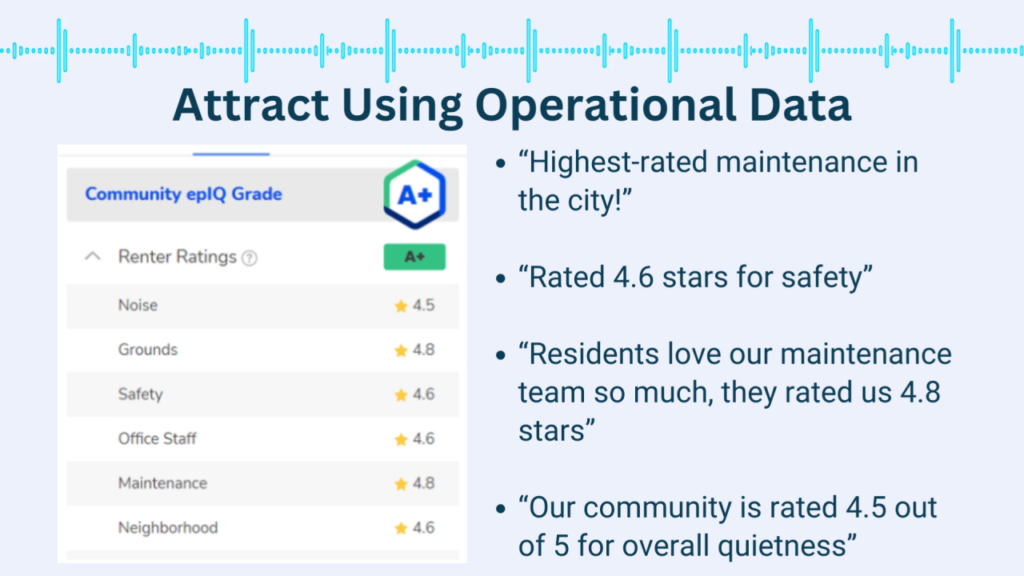
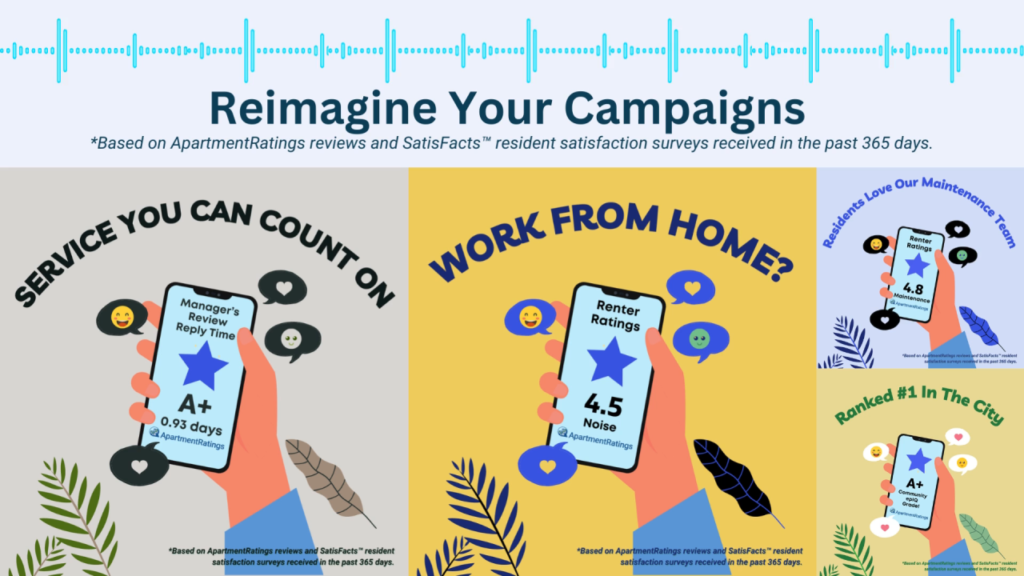
Another critical topic in effective marketing is understanding the power of operational data. This data can pave the way for many new marketing strategies. One specific idea discussed by Lia during the Ready, Set…Respond! episode is using resident survey data to market communities. Tap into motivators or triggers for why a prospect might be moving based on industry data and use your own survey and review data to create a marketing strategy around those motivators. For example, prospects move because they have endless maintenance issues. Your community can use your work order survey data as well as maintenance score on ApartmentRatings to promote how amazing your maintenance team is: “Our maintenance is consistently rated a 5/5; just read our reviews and you’ll see why.” Or prospects might be moving because they need a place that is more centrally located or more walkable, which is definitely becoming a more prominent factor as more people are working remotely or from home. So instead of promoting your swimming pool, market how amazing your neighborhood is. Share specific resident feedback about your location and neighborhood, and if neighborhood is rated a 4.8/5 for your community, use that data in your marketing strategies. The goal of marketing beyond the “basics” (ie your product) is to focus more on using operational data to speak to renters’ needs and set yourself apart from the competition.
Harnessing the epIQ Index

Another great tool for differentiating yourself in the market is using the ApartmentRatings epIQ Index. When a prospect has narrowed down their decision to a few different communities, you can differentiate yourself by promoting your epIQ Grade, your national ranking, and even showcase your city ranking to compare your community against your competitors. You can use it to showcase how your community addresses renters’ specific needs and how you respond. And with the epIQ Index based on a rolling 365 day calendar, communities’ scores can improve daily, making it easy to build a stellar online reputation. During the webinar, Carla provided a marketing campaign idea using metrics from ApartmentRatings and epIQ to show how it can be easily and effectively communicated.
Bold Predictions for 2025

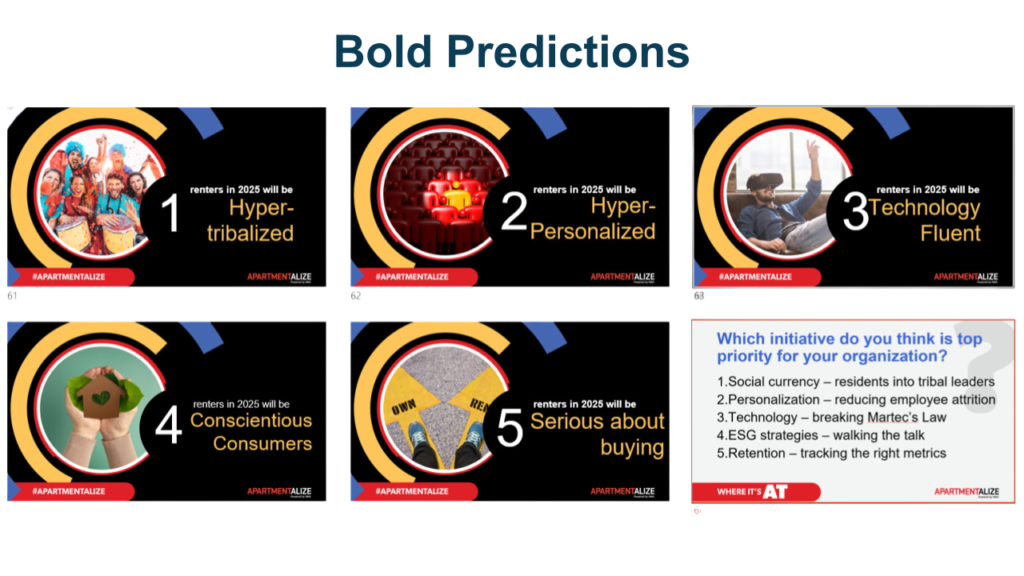
Lia shared fascinating insights into the rise of the “homebody” trend and its impact on the multifamily industry. During NAA’s Apartmentalize, Lia presented a session that examined the five psychographic segmentations that define this NEW renter profile and discussed the initiatives management companies should prioritize to capture their attention. The five segmentations are: technology fluent, hyper-personalized, hyper-tribalized, conscientious consumers, and serious about buying. Over the past few years, there’s been an increase in the amount of waking hours we spend inside our home (50% in 2019, 64% in 2021, and projected 77% in 2025), there has been an increase in the number of people working from home (and this is projected to continue to increase to 36.2 million by 2025), and by 2025 there will be 25 million renter households. All of this data provides us with a foundation for understanding that now is the time to start shifting how we look at and target our renters. There has been a shift in how they intend to use their spaces, and one of the most valuable takeaways from the webinar was the recommendation to start looking at renters from a personality standpoint rather than a product standpoint, and figuring out how to speak to this new renter in a new way.
We encourage you to listen to the recording of the full episode to gain a competitive edge in your marketing endeavors. You can access the webinar recording and slides in the Webinars tab. Feel free to share this valuable resource with your colleagues and industry peers who can benefit from this knowledge-packed episode on innovative marketing strategies.

Interested in learning more about Lia Nichole Smith’s Bold Predictions For 2025: The Rise of the Homebody session from Apartmentalize? Contact our education team to get the presentation slides.
Understanding the Connection Between Emotional Intelligence and Mental Health

In our May 2023 Ready, Set…Respond! episode titled “Taking Care,” we explored the profound topic of emotional intelligence and its impact on mental health. We were privileged to have esteemed guest, Valerie M. Sargent, an inaugural Mental Health First Aid Instructor, join host Carla J. Alicea, Director of Client Performance at ApartmentRatings and SatisFacts, for this enlightening conversation. Together, they explored the relevance of emotional intelligence in various aspects of life, especially in leadership and workplace settings. In this article, we are excited to share the key insights from the webinar and extend a call to action for those who missed the live episode.

The Important of Emotional Intelligence

Our guest speaker, Valerie M. Sergeant, a highly experienced speaker, trainer, and emotional intelligence executive coach, emphasized the significance of emotional intelligence in leadership, sales, marketing, customer service, and, most importantly, mental health. Valerie highlighted how emotional intelligence empowers individuals to effectively manage themselves and cultivate meaningful relationships, ultimately leading to improved employee well-being and job satisfaction

Emotional Intelligence and Mental Health

During our engaging conversation, we discussed the strong correlation between emotional intelligence and mental health. Valerie shared that workplace challenges often stem from emotional struggles, which can have a profound impact on mental well-being. Research has shown that practicing emotional intelligence can reduce stress levels and foster a positive mood. Conversely, a lack of emotional intelligence and limited emotional competencies can contribute to lowered mental health and increased depression.

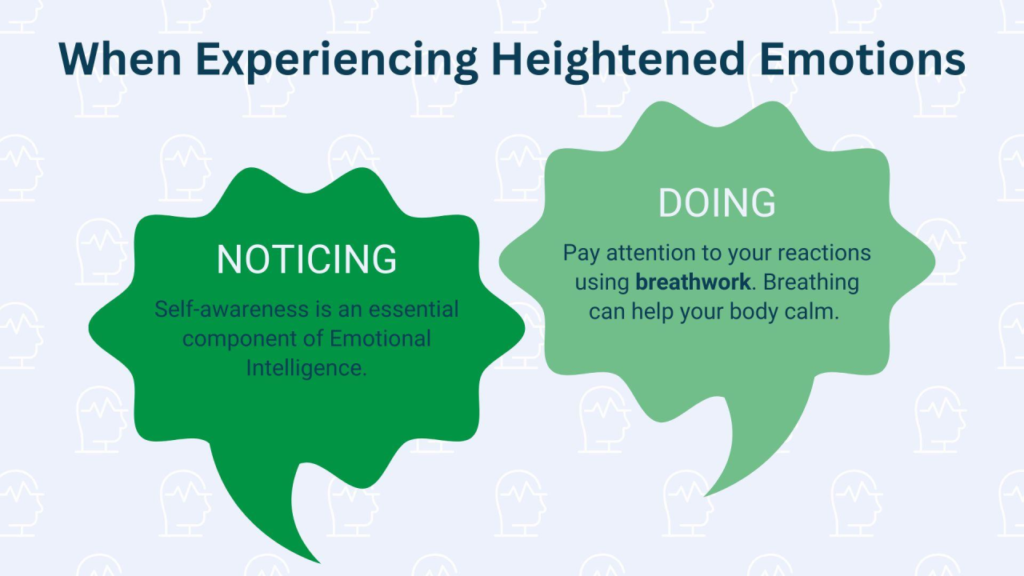
when experiencing heightened emotions, use awareness and breathwork

Strategies for Enhancing Emotional Intelligence

Valerie generously shared practical strategies for enhancing emotional intelligence, especially in moments of heightened emotions. One powerful strategy she highlighted was breath work, which involves deep belly breathing to activate the parasympathetic nervous system and induce a state of calmness. We also explored the importance of transforming negative self-talk into a positive mindset as a fundamental aspect of emotional intelligence.

The Vital Role of Leaders

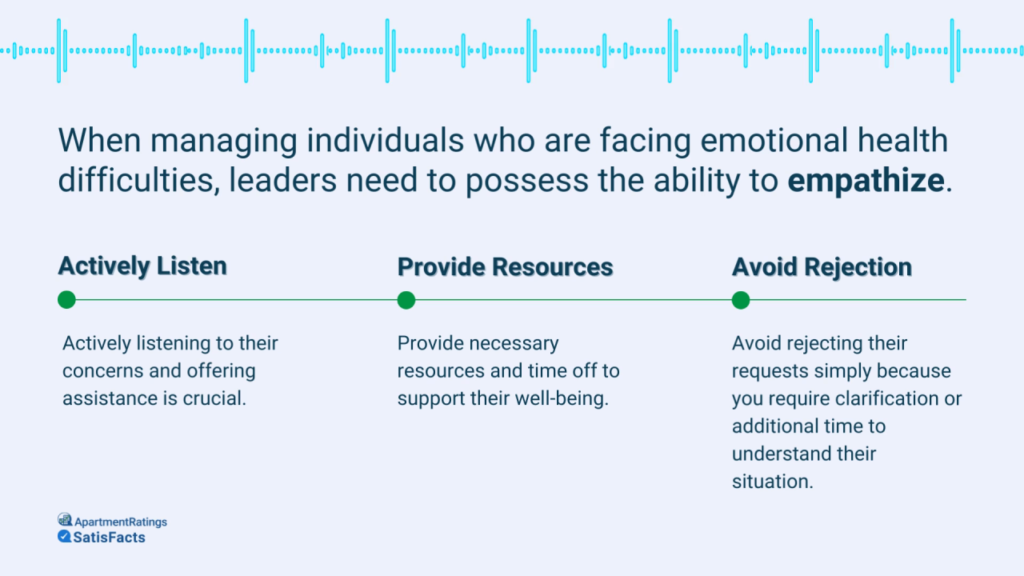
Our webinar underscored the vital role of leaders in promoting emotional intelligence and supporting the mental health of their team members. We emphasized the importance of leaders developing social awareness skills and relationship management abilities to foster a supportive and balanced team environment. Active listening, empathy, and providing necessary resources were identified as crucial practices for leaders committed to prioritizing mental health in the workplace.

leaders need to possess the ability to empathize slide

A Call to Action

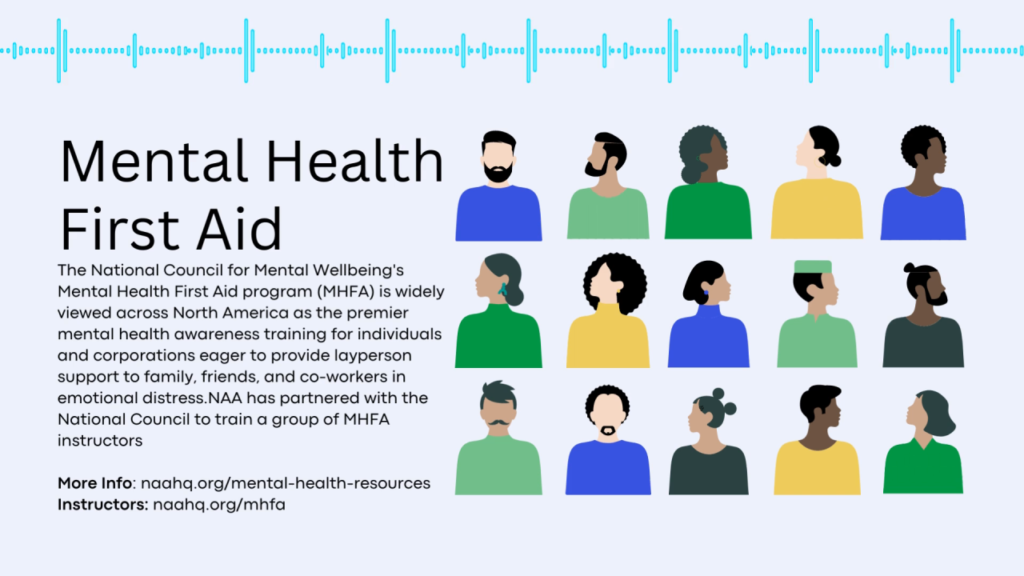
For those who missed the live webinar, we invite you to access the recording through this link: Ready, Set…Respond! [Taking Care]. We also encourage you to explore the resources provided by the National Apartment Association and the National Council for Mental Wellbeing. Additionally, we invite you to follow Valerie Sargent on Twitter to get insights and updates on this important topic.

naahq.org/mfha slide

Our Commitment to Education

Understanding the profound connection between emotional intelligence and mental health is instrumental in creating healthier work environments and fostering personal growth. At SatisFacts, we are committed to facilitating meaningful conversations and providing valuable insights through our education solutions as well as our survey feedback tools. This month’s education webinar shed light on the significance of emotional intelligence in leadership, workplace interactions, and overall wellbeing. By implementing the strategies discussed and prioritizing mental health, individuals can cultivate their emotional intelligence and contribute to a more positive and empathetic world.

A Dumpster Dive Into The State of Recycling & Waste Management Challenges

As we strive towards sustainability and reducing our environmental footprint, waste management and recycling have become critical topics of discussion. But what do SatisFacts and ApartmentRatings have to do with waste management, you may ask? As it turns out, analysis of resident surveys has revealed that the appearance and condition of the community were among the top drivers for residents’ perception of value in 2022. And nothing detracts from the appearance of a community more than a dirty and overrun refuse area, which often becomes the subject of user-generated content on popular reviews sites like ApartmentRatings.

For property management teams, navigating the complex requirements and mandates of waste management can be overwhelming. But it’s not just management teams that are struggling – residents themselves are often unclear on how to properly dispose of their waste. As we dig deeper into this topic, we uncover a surprising truth: our trash is actually part of a complex energy feedback loop that impacts our environment in various ways.

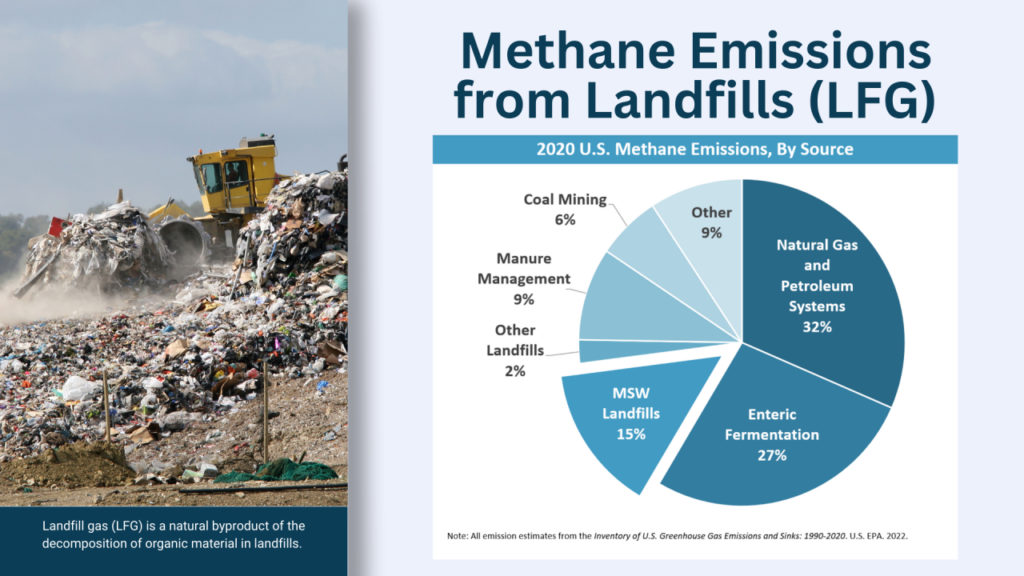
According to national statistics, approximately 58% of waste ends up in landfills, 28% is recycled and reused, and around 14% is incinerated. While recycling efforts have gained momentum in recent years, our landfills still remain a significant source of human-related methane emissions in the United States. Methane is a potent greenhouse gas, with 25 times the heat-trapping potency of carbon dioxide, making it a major contributor to climate change.

methane emissions from landfills (LFG) statistics from SatisFacts webinar

Cities and municipalities are now scrambling to implement regulations and requirements to minimize methane emissions and mitigate the impact of waste on the environment. However, the landscape of waste management regulations varies dramatically across regions, creating a patchwork of rules and guidelines for property management professionals to navigate.

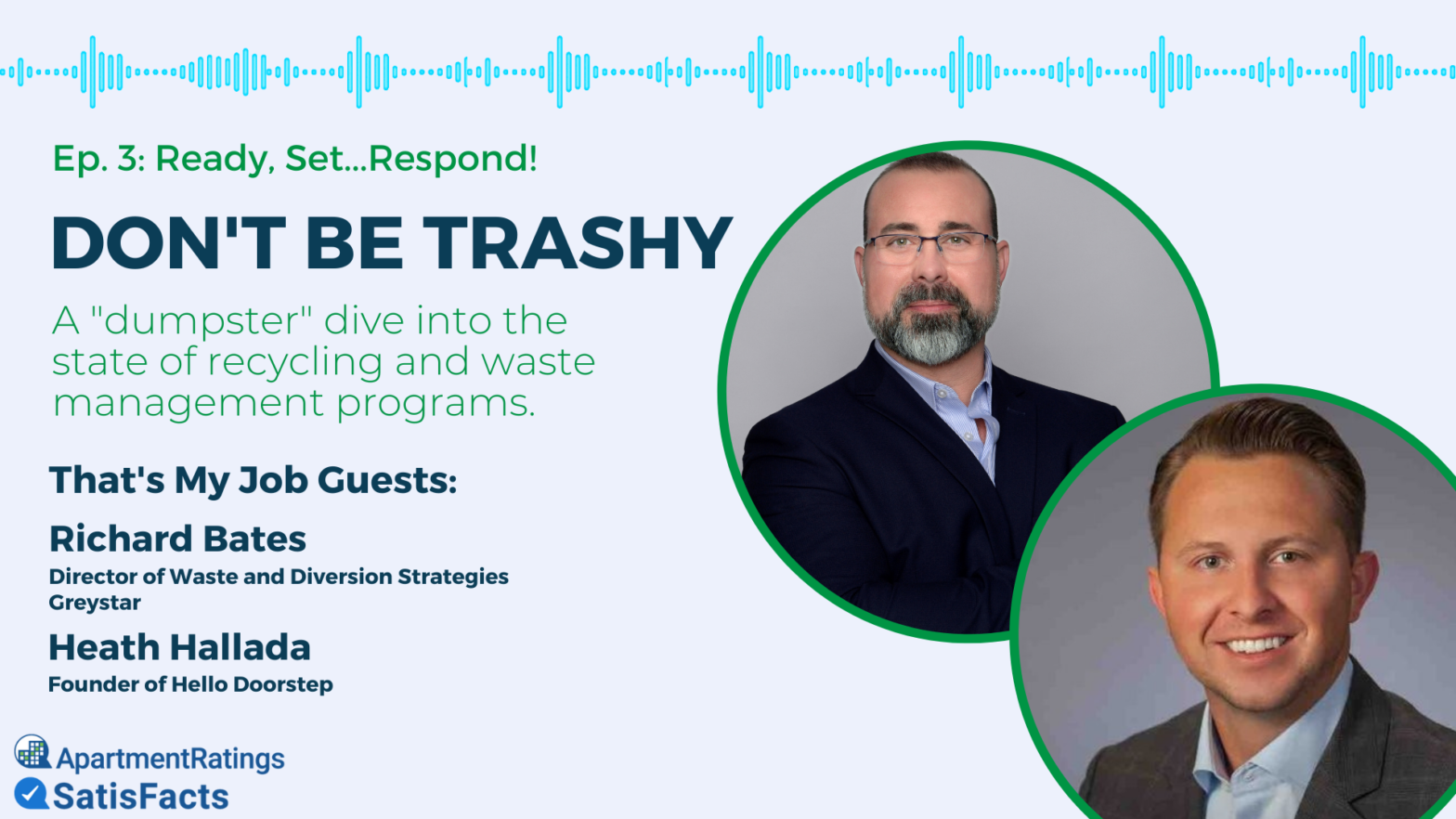
As we face these challenges, it becomes clear that property management teams play a crucial role in ensuring their communities are up to the task. From understanding resident perceptions of value to navigating the complexities of waste disposal regulations, there is much to unpack in this multifaceted issue. Richard Bates, the Director of Waste and Diversion Strategies at Greystar, and Heath Hallada, the Founder of Hello Doorstep, joined host Carla J Alicea on Ready, Set…Respond, a free monthly webinar for multifamily professionals, to discuss the pressing issue of waste management and recycling in multifamily operations. 

With their expertise and insights, Richard Bates and Heath Hallada provided valuable perspectives on the challenges and opportunities in this field, shedding light on the latest trends, regulations, and best practices. This informative webinar offers property management professionals a platform for a thought-provoking discussion on effectively managing waste and recycling in their communities, considering resident perceptions, environmental impact, and evolving industry standards.

Recycling and Its Impact on Landfills

Richard shed light on the impact of shifting from dual-stream recycling to single-stream recycling. He explained that the transition to single-stream recycling has resulted in less effective recycling, leading to increased waste in landfills.

The issue stems from the higher contamination rates in single-stream recycling, as residents are more likely to mistakenly include non-recyclable materials with recyclables in the same bin. This leads to more waste being sent to landfills instead of being properly recycled.

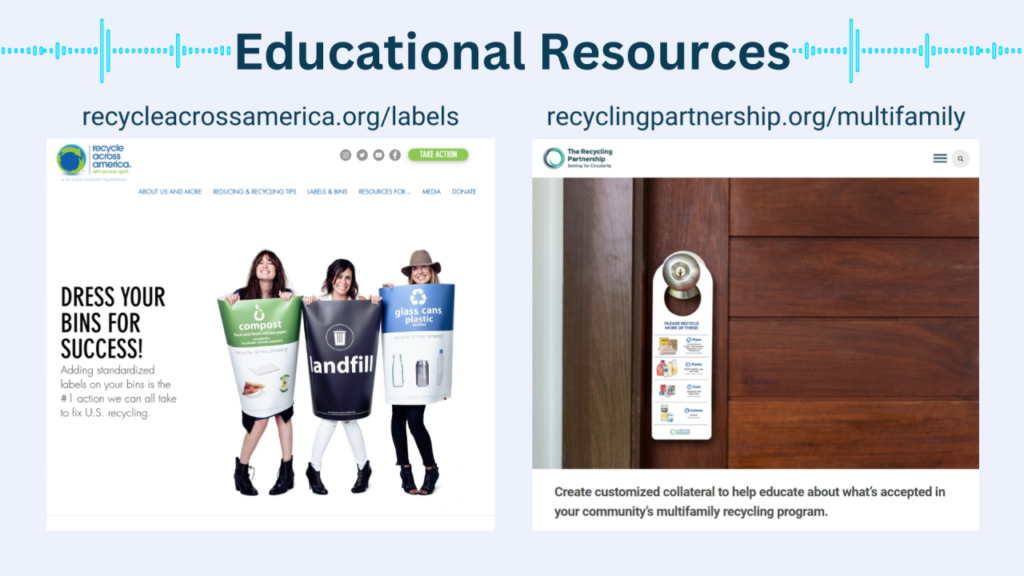
To tackle this challenge, Richard emphasized the importance of providing educational materials to residents to ensure they understand proper disposal methods. Fortunately, there are valuable resources available to assist in this effort, such as Recycle Across America and The Recycling Partnership. Recycle Across America offers a program that provides clear and visually appealing labels for recycling bins, making it easy for residents to follow proper recycling practices. These labels come in different sizes and shapes to suit diverse needs. Similarly, The Recycling Partnership offers a program specifically for multifamily that enables property managers to input local regulations and generate door hangers that can be distributed periodically to gently remind residents of proper recycling practices.

recycle across america and recycling parternship links for multifamily

By leveraging these resources and implementing effective educational initiatives, property management professionals can play a crucial role in promoting sustainability and environmental stewardship in multifamily operations while mitigating the negative impacts of single-stream recycling on waste management and landfill waste.

Composting and the Organic Waste Stream

In addition to recycling, composting has become an emerging best practice for waste management and sustainability efforts. According to the EPA, about 30% of the waste that ends up in landfills is actually organic waste. To reduce greenhouse gas emissions and divert more waste away from landfills, composting has now become part of the Waste Management regulatory requirements.

Heath operates in Austin where there are already requirements in place for residential composting. “I would say in the next 12 months, you’ll see major traction on that (organic waste stream regulation). Since Covid, things have been a little delayed, but this is certainly a big emphasis in Austin right now. And we are gearing up and ready to tackle it.”

Richard underscores the significance of composting and organic waste management as a solution to the resource scarcity challenge. He emphasizes that participation in composting programs can be a valuable contribution towards sustainable waste management practices. However, he also acknowledges that there is a lack of providers and suppliers offering organic waste services in a manner that is convenient and appealing for residents. Bates encourages the adoption of composting solutions and calls for increased availability and accessibility of organic waste services to make it more feasible for residents to participate in composting initiatives. This highlights the need for continued efforts to promote composting and organic waste management as viable and sustainable options in waste diversion strategies.

Hazardous Materials Management

While discussing hazardous materials in the waste stream, Richard highlights the importance of implementing a consistent E-waste platform, specifically mentioning the increasing concern of lithium-ion batteries and other batteries used in various gadgets, such as bicycles, posing a significant fire risk hazard if improperly handled. He emphasizes that these batteries can ignite and cause extensive damage, with the risk of such incidents only expected to rise in the future. He suggests that implementing a solid E-waste platform is crucial for addressing this issue and ensuring proper disposal of hazardous materials.

Bates also acknowledges that while there may be universal E-waste collection options available, they can come with higher costs, such as shipping labels and boxes. He recommends looking for local resources and solutions that may be more cost-effective. He encourages property teams to engage with local providers and resources to find regional approaches that suit their needs and budget and mentions consulting with experts like Heath in Austin, who are familiar with locally available resources and suggests involving valet providers in the process. This underscores the importance of considering regional and cost-effective solutions for managing hazardous materials, such as E-waste, in multifamily operations.

The Challenge of Bulk Item Pickup

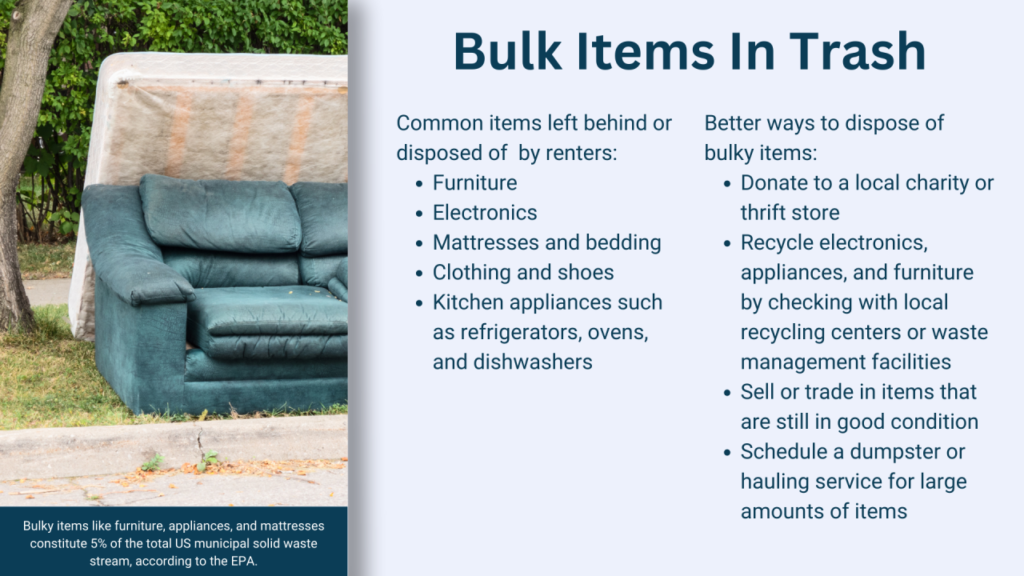
For years, property managers and waste management companies have grappled with the problem of residents leaving behind discarded furniture, mattresses, appliances, and other bulky items when they move out. This has not only become a nuisance but also a significant financial burden, as the costs associated with disposing of these items can quickly add up.

Bulk item pickups are a constant headache for property managers, as they often find piles of couches or mattresses in various corners of the property. Richard notes that it remains a challenge for sites across the country. Many waste management companies have shifted away from the traditional method of using rear-load trucks with workers manually collecting bulk items and instead have started using side-load trucks. This change has made it more difficult for companies to find reliable and cost-effective options for bulk item pickups across a portfolio.

bulk items in trash from Don't Be Trashy SatisFacts webinar

In order to tackle the growing concern of bulk item pickups in multifamily communities, waste management experts, Richard and Heath, emphasize the need for a proactive approach. Richard highlights the importance of incorporating bulk item pickups into the waste management plan for such communities, rather than waiting for items to be left behind. This can include setting up designated areas for residents to properly discard bulky items and creating storage spaces for smaller volumes, streamlining the disposal process. On the other hand, Heath recommends exploring on-demand or scheduled services from waste management providers, citing their reliability and cost-effectiveness compared to ad-hoc solutions. Timely pickups can prevent bulk items from being left behind, minimizing operational disruptions. By implementing these proactive measures, property managers can effectively address the issue of bulk item pickups, ensuring a cleaner and more efficient living environment for residents.

Waste management and recycling challenges in multifamily operations are complex and multifaceted issues that require attention from property management professionals, residents, and regulatory bodies alike. It is evident that property management teams play a crucial role in promoting sustainability, mitigating environmental impacts, and navigating the evolving landscape of waste management regulations. By considering resident perceptions, environmental impact, and industry best practices, property management professionals can effectively manage waste and recycling in their communities, contributing towards a more sustainable future for multifamily operations.

Check out the Don’t Be Trashy: A Dumpster Dive into the State of Recycling and Waste Management Programs webinar to learn more about reducing waste and promoting sustainability in your company and community.

2023 Product Updates: Release 1

Invalid Resident and Prospect Emails in Exchange

For all SatisFacts surveys, Exchange now provides a report of invalid resident and prospect emails. Located inside of each single survey report (MI, WO, PR, UT), this feature offers the ability to view which survey invitations were returned to us as undeliverable. Survey response rates are dependent on valid email coverage and this enhancement will help communities identify outdated and/or mistyped email addresses. 

Benefits of this enhancement include:

  • Ensuring you have the most updated contact information for your residents for all communication, including your own internal emails.
  • Potential for an increase in completed surveys, which offers more opportunity to learn the needs and wants of your residents to improve their experience.

To access the Invalid Emails report, select the Insite survey module of your choice from the main menu, then select your date and community preferences in the top right and click Run. Then click on Export and select Excel – Invalid Emails from the dropdown menu.

City + City Rank to epIQ Report

We’ve added additional features to the epIQ Report in Exchange to make finding specific communities easier by including the city and state in parentheses next to each community listed. This gives you the ability to now search for communities by their specific city location. To utilize this feature, type the city in the search column above the communities in the  Community Grade Distribution section and only the communities in that city will be shown. Additionally, the Export Excel spreadsheet will now include a city column to easily sort communities by city.

In addition, a new column for City Rank is available to see how each of your communities stacks up to competitors in the same city. Onsite teams can see their real-time rank and visit the City Page on ApartmentRatings to find competitors in the area that are ranked above and around them, add them to the competitor analysis in Exchange to keep track of, and be able to compare epIQ Index categories directly in Exchange to review areas of opportunity. 

New Awards Icon & All Badges Linked In Awards

All Insite and ApartmentRatings community winners listed in the Awards section in Exchange now showcase a trophy icon in both the 2022 Insite Awards and 2022 Top Rated Awards column to easily identify winners + all communities for both awards now have a hyperlinked View Badge column for easy access directly to each community’s badges tab to easily access and download all badges directly from the Awards page.

To learn more about all of our Product Updates, visit our Product Updates page.